Introduction
Antique fireplaces have long been admired for their ability to combine functionality with artistry. Beyond their practical use as a heat source, they serve as architectural focal points that reflect history, craftsmanship, and timeless elegance. Today, homeowners and designers alike appreciate these pieces not only for their aesthetic value but also for the unique character they bring to modern and traditional interiors.
With centuries of evolving styles, materials, and techniques, antique fireplaces represent a rich design heritage. From grand marble surrounds to intricately carved wooden mantels, each piece tells a story of its origin and the era in which it was created. This article explores their significance, styles, materials, and how they continue to enhance contemporary living spaces.
The Historical Significance of Antique Fireplaces
The enduring charm of antique fireplaces lies in their deep historical roots. These architectural elements date back as far as the medieval period and evolved significantly through the Renaissance, Baroque, Georgian, and Victorian eras. Each period introduced distinctive design elements, reflecting cultural and artistic trends of the time.
For example, early fireplaces were often large, functional structures built primarily for heating and cooking. Over time, they transformed into decorative centerpieces that symbolized wealth and refinement. By the 18th and 19th centuries, intricate carvings, classical motifs, and fine materials became standard features.
Today, antique fireplaces are valued not only for their beauty but also for their ability to connect modern homes with the elegance and craftsmanship of the past.
Craftsmanship and Materials
One of the defining characteristics of antique fireplaces is the exceptional craftsmanship involved in their creation. Skilled artisans used traditional techniques to carve, shape, and assemble these pieces, often by hand. This level of attention to detail is rarely replicated in modern manufacturing.
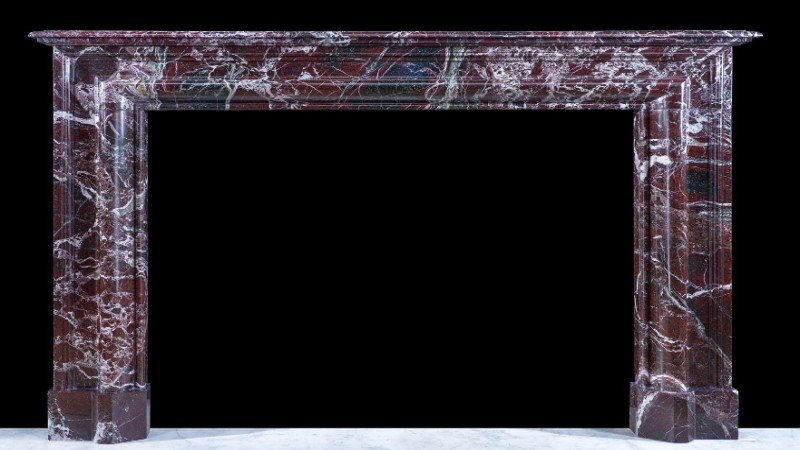
Common materials used in antique fireplaces include marble, limestone, wood, and cast iron. Marble fireplaces, in particular, are prized for their durability and luxurious appearance, while stone offers a more rustic and timeless aesthetic. Wooden mantels often feature intricate carvings, showcasing the artistry of their makers.
The quality of these materials ensures longevity, allowing many antique fireplaces to remain intact and functional for centuries. Their enduring nature is a testament to the expertise and dedication of the craftsmen who created them.
Styles Across Different Periods
Antique fireplaces are available in a wide range of styles, each representing a distinct historical period. This diversity allows homeowners to select pieces that complement their interior design preferences.
Baroque fireplaces are known for their grandeur and elaborate ornamentation, often featuring dramatic carvings and bold details. In contrast, Rococo and Louis XV styles emphasize elegance and fluidity, with delicate curves and intricate patterns.
Georgian and Neoclassical fireplaces are characterized by symmetry, proportion, and restrained decoration. Victorian fireplaces, on the other hand, often incorporate ornate details and decorative tiles, reflecting the eclectic tastes of the era. Art Nouveau and Art Deco styles introduced more modern influences, including natural motifs and geometric designs.
Each style offers a unique aesthetic, making antique fireplaces versatile design elements that can enhance various interior settings.
The Role of Antique Fireplaces in Modern Interiors
Despite their historical origins, antique fireplaces continue to play an important role in modern interior design. They are often used as statement pieces that add character and depth to contemporary spaces.
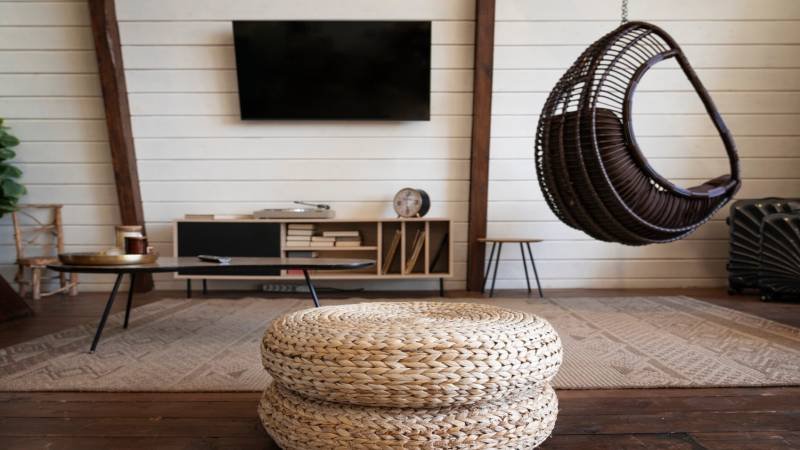
In minimalist interiors, an antique fireplace can serve as a striking focal point, creating contrast and visual interest. In more traditional settings, it reinforces the overall aesthetic, adding authenticity and charm.
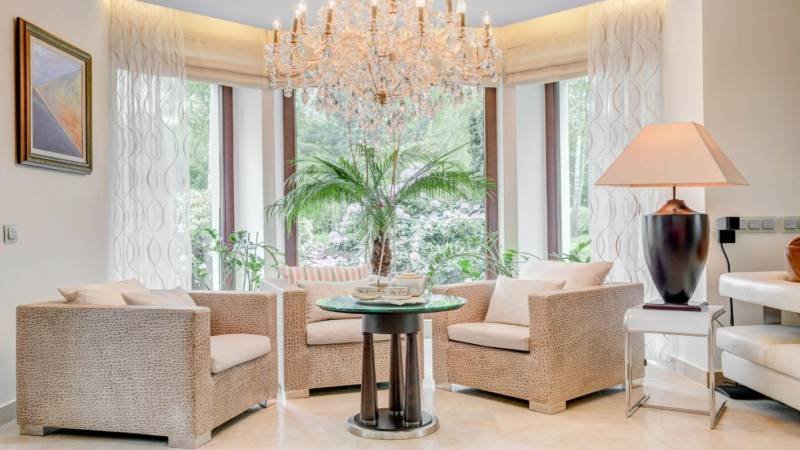
Interior designers frequently incorporate antique fireplaces into renovation projects, blending old and new elements to create harmonious spaces. Whether installed in a living room, bedroom, or even a hallway, these fireplaces bring warmth and sophistication to any environment.
Restoration and Preservation
Restoration is essential for maintaining the beauty and functionality of antique fireplaces. Over time, wear and tear can affect their appearance and structural integrity, making professional restoration a valuable investment.
The restoration process typically involves cleaning, repairing, and, in some cases, replacing damaged components. Skilled craftsmen use traditional techniques to ensure that the original character of the fireplace is preserved.
Preservation also involves careful handling and installation. Proper maintenance helps protect the fireplace from further damage, ensuring that it remains a lasting feature within a home.
By investing in restoration and preservation, homeowners can enjoy the timeless appeal of antique fireplaces while safeguarding their historical significance.
Choosing the Right Antique Fireplace
Selecting the right antique fireplace requires thoughtful consideration. Factors such as style, material, size, and condition all play a role in determining the best fit for a space.
It is important to choose a fireplace that complements the overall design of the room. For example, a grand marble fireplace may suit a formal living area, while a simpler stone design may be more appropriate for a rustic setting.
Buyers should also consider the authenticity and condition of the piece. Working with reputable dealers ensures access to high-quality fireplaces and expert guidance throughout the selection process.
With careful planning, an antique fireplace can become a defining feature that enhances both the aesthetic and value of a home.
Conclusion
Antique fireplaces are more than decorative elements—they are enduring symbols of craftsmanship, history, and design excellence. Their ability to blend seamlessly with both traditional and contemporary interiors makes them a valuable addition to any home.
Whether crafted from marble, wood, or stone, these pieces reflect centuries of artistic evolution and skilled workmanship. Investing in antique fireplaces not only enhances the aesthetic appeal of a space but also preserves a piece of architectural heritage for future generations.