
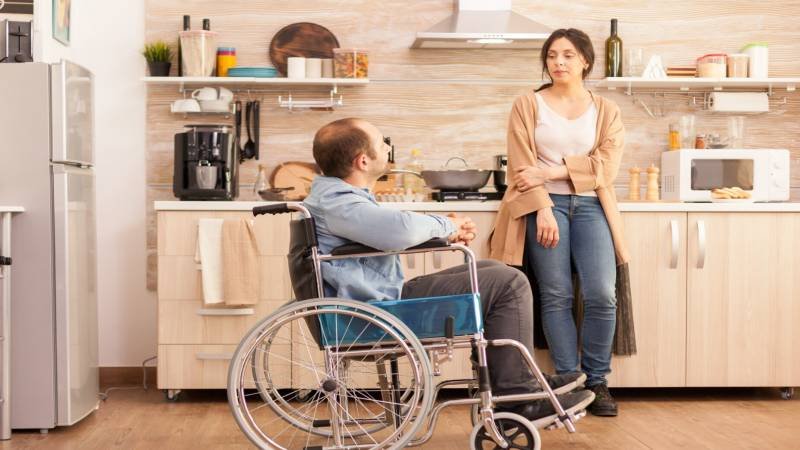
Modern urban dwellers face a critical challenge: shrinking living spaces paired with rising accessibility demands across all age groups. Traditional home designs no longer accommodate the reality of remote work, multigenerational living, and mobility limitations that affect millions. As housing costs climb and square footage decreases, the need for adaptable solutions has shifted from luxury to necessity. The question isn’t whether homes should evolve, but rather which practical modifications deliver the greatest impact for diverse household needs.
The Growing Demand for Flexible Living and Space Optimization Solutions
Urban populations worldwide face an unprecedented housing crisis as living spaces shrink while costs continue to rise. This reality drives increasing demand for flexible living solutions that maximize functionality within limited square footage. Multifunctional furniture, modular storage systems, and convertible rooms have become essential rather than optional amenities.
The trend extends beyond cramped city apartments. Growing numbers of remote workers, aging populations seeking accessibility modifications, and multigenerational households require adaptable environments that serve multiple purposes throughout the day.
Space optimization technologies now incorporate smart home features, transformable walls, and furniture that seamlessly shifts between uses. Market projections indicate sustained growth in this sector as demographic shifts and economic pressures persist. Designers and manufacturers increasingly prioritize versatility, creating solutions that address both spatial constraints and evolving lifestyle requirements.
Maximizing Small Spaces With Smart Storage and Organization Strategies
Storage systems form the foundation of effective space optimization, transforming cluttered areas into organized, functional environments.
Vertical solutions maximize unused wall space through floor-to-ceiling shelving units, hanging organizers, and wall-mounted cabinets. Multi-functional furniture serves dual purposes, ottomans with hidden compartments, beds with built-in drawers, and convertible tables that expand when needed.
Modular storage adapts to changing requirements, allowing reconfiguration as needs evolve. Clear containers and labeled bins maintain order while providing quick visual access to contents. Under-utilized spaces beneath stairs, above doorways, and within awkward corners become valuable storage zones with custom solutions.
Strategic decluttering precedes organization efforts, eliminating unnecessary items that consume precious space. Digital tools and apps help track belongings and plan layouts efficiently. These combined strategies create breathing room in compact living spaces without requiring structural modifications.
How Self-Storage for Students Supports Transitional and Urban Living
Students face unique housing challenges during their academic years, frequently relocating between dormitories, off-campus apartments, study-abroad programs, and internship locations. Self-storage for students provides a flexible and cost-effective way to manage these transitions without the stress of constant moving or downsizing essential belongings. Self-storage facilities provide practical solutions for managing belongings during these changes without requiring parents’ homes as default storage spaces.
Urban universities often offer limited dormitory space, forcing students to downsize possessions considerably. Storage units accommodate seasonal items, sports equipment, and academic materials that don’t fit in compact living quarters.
During summer breaks or semester abroad programs, students can store furniture and belongings rather than transporting items repeatedly or purchasing replacements. Cost-sharing arrangements allow roommates to split storage expenses, making units economical alternatives to shipping or disposal.
Climate-controlled facilities protect valuable electronics, textbooks, and documents. This flexibility supports independent living while students navigate educational requirements across multiple cities and temporary housing situations.
Improving Home Accessibility With Standing Stairlifts for Limited Mobility
Maneuvering staircases becomes increasingly difficult for individuals with limited mobility, arthritis, knee problems, or balance issues that prevent them from sitting comfortably during ascent.
Standing stairlifts address these challenges by providing vertical support while maintaining an upright position throughout the journey. These devices feature secure platforms, safety harnesses, and intuitive controls that enable independent navigation between floors without requiring seated positioning.
Installation adapts to various staircase configurations, including narrow passages where traditional seated models prove impractical. The compact footprint preserves walkway space for other household members while delivering essential accessibility support.
Users maintain dignity and autonomy within their homes, eliminating reliance on assistance for daily vertical movement. Standing stairlifts represent practical investments for aging-in-place strategies, extending residential independence while accommodating specific physical limitations that conventional mobility solutions cannot adequately address.
Designing Multi-Functional Spaces for Work, Study, and Daily Living
As remote work and distance learning reshape domestic routines, homes must accommodate overlapping functions within limited square footage. Strategic furniture selection enables seamless shifts between activities.
Murphy beds convert bedrooms into daytime offices, while fold-down desks disappear when not needed. Modular shelving systems create visual boundaries without permanent walls, defining work zones within shared spaces.
Lighting design proves critical for multi-functional areas. Adjustable task lighting supports focused work, while ambient fixtures accommodate evening relaxation. Installing separate circuits allows independent control of each zone’s illumination.
Storage solutions maintain organization across competing uses. Rolling carts transport supplies between functions, and built-in cabinetry conceals work materials during off-hours. Under-utilized areas like stairwell corners and alcoves become productive spaces through thoughtful design, maximizing every square foot.
Balancing Comfort, Safety, and Efficiency in Compact Environments
While compact living spaces offer affordability and reduced maintenance, they demand careful attention to environmental quality and occupant wellbeing. Proper ventilation systems prevent moisture accumulation and maintain air quality, reducing health risks in smaller volumes.
Strategic lighting combines natural and artificial sources to counteract the psychological effects of limited square footage. Safety requires unobstructed pathways, secure storage for hazardous materials, and accessible emergency exits.
Fire-resistant materials and properly rated electrical systems become critical when space constraints limit evacuation options. Efficiency emerges through vertical storage solutions, fold-down furniture, and dual-purpose fixtures that preserve floor area.
Temperature regulation proves more manageable in compact spaces but requires zone control to prevent overheating. Sound insulation maintains privacy and reduces stress from neighboring units. These elements collectively transform small footprints into sustainable, livable environments.
Budget-Friendly Solutions for Storage and Accessibility Upgrades
Storage optimization in compact living spaces requires neither extensive renovations nor premium materials to achieve functional results. Wall-mounted shelving units, repurposed furniture with built-in compartments, and vertical organizers maximize available square footage without significant investment. Tension rods installed beneath sinks or inside closets create additional hanging space, while stackable containers utilize vertical dimensions efficiently.
Accessibility improvements can be implemented affordably through simple modifications. Removing lower cabinet doors provides wheelchair users easier reach to stored items. Installing pull-out shelving systems in existing cabinets eliminates the need to reach into deep spaces. Contrast tape applied to step edges and doorframes assists individuals with visual impairments at minimal cost. These practical upgrades enhance daily functionality while maintaining budget constraints, proving that effective space management depends more on strategic planning than substantial financial resources.
Adapting Living Spaces for Changing Needs Over Time
Life circumstances shift continuously, demanding environments that accommodate evolving physical capabilities, family compositions, and lifestyle requirements. Modular furniture systems provide immediate reconfiguration options without requiring permanent structural changes. Adjustable-height countertops, movable partition walls, and convertible rooms transform spaces as needs arise, whether accommodating mobility aids, creating home offices, or establishing nurseries.
Strategic infrastructure planning during initial construction or renovation enables future modifications. Installing reinforced bathroom walls allows grab bar installation later, while pre-wiring rooms for various technologies eliminates costly retrofitting. Wide doorways and hallways accommodate wheelchairs, walkers, and furniture movement equally well.
Multi-functional spaces maximize utility across life stages. A ground-floor study converts to a bedroom when stairs become challenging. Guest rooms double as exercise areas or storage zones. This adaptability extends housing longevity, reducing relocation needs while maintaining independence and comfort throughout different life phases.
Creating a Future-Ready Home with Flexible and Inclusive Design Principles
Universal design principles merge accessibility with aesthetic appeal, creating environments that serve users across all abilities and age ranges without compromising visual coherence. Future-ready homes incorporate zero-step entries, wider doorways, and reinforced bathroom walls for potential grab bar installation. Lever-style door handles, rocker light switches, and adjustable-height countertops accommodate diverse physical capabilities while maintaining design integrity.
Multi-generational planning requires anticipating mobility changes, cognitive needs, and technological integration. Open floor plans facilitate wheelchair navigation and visual supervision when needed. Smart home systems enable voice-activated controls, automated lighting, and remote monitoring features that support aging in place.
Strategic electrical outlet placement at multiple heights, non-slip flooring materials, and contrast colors for visual distinction exemplify proactive design thinking. These modifications preserve home value while eliminating costly retrofitting, ensuring spaces remain functional throughout life changes.
See more: mygardenandpatio.org.