
Recognize Problems Before They Spread
Sometimes what seems like a minor plumbing problem can lead to bigger problems if left unaddressed. A dripping pipe can result in damage to the cabinet it’s housed in. A slow drain can lead to a backup. Strange noises coming from your water heater may mean you’ll soon be without hot water.
Knowing what to expect from a professional plumbing service call, which Britannica covers at plumbing, can help you feel more at ease when something goes wrong. Not only will a plumber diagnose and remedy the issue at hand, but he or she will be able to point out the root of the problem, discuss repair options with you, and give you ideas on how to avoid having the same issue in the future.
Gather Useful Information Before the Visit
When you call a plumber, the person you speak with may ask you to describe the problem you’re having. Pay attention to what’s going on in your home before the plumber gets there. It can help him or her figure out what’s going on. For example, if one sink is draining slowly, the plumber may suspect a clog near the fixture. If multiple drains are backing up, the problem could be further along in the pipes. If you see water around the base of your toilet, it could be due to a condensation issue, a loose connection, or a bad seal.
Other things to pay attention to include:
- If the problem is consistent or happens at certain times of day
- The locations of leaks or moisture
- Banging, gurgling, or whistling noises
- Changes in the color or pressure of your water
- Multiple affected fixtures
- Problems that happen while running the dishwasher, taking a shower, or doing laundry
If possible, take pictures of puddles or leaks in case they’re not present when the plumber gets there.
Inspection and Access Determine the Repair
Expect a Systematic Plumbing Inspection
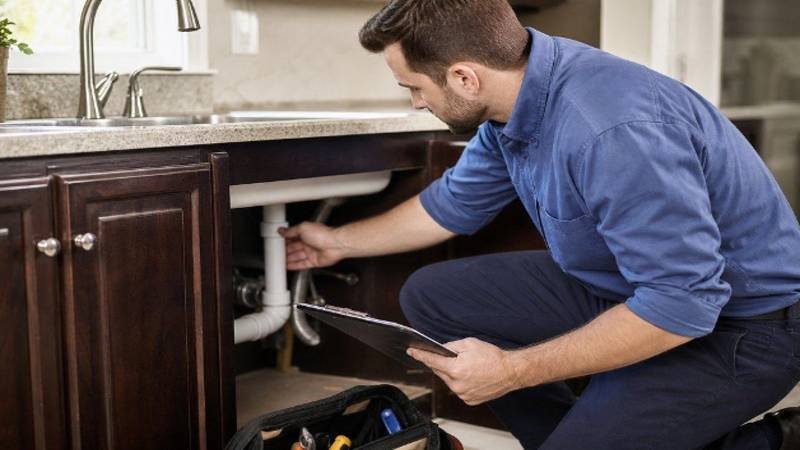
A plumber will ask you questions about the issue you’re having, examine the fixture(s) in question, and look into accessible parts of your plumbing system. He or she may run water, test valves and shutoffs, examine how quickly water is draining, and look for evidence of previous leaks or corrosion.
Depending on the problem, he or she may bring special equipment with him or her. For example, a plumber may use a camera to get a better look inside your drain pipes to check for offsets, cracks, mineral buildup, tree roots, and other problems. There are also methods for detecting leaks inside your walls or under your floors without having to rip them open.
After the plumber has examined your plumbing, he or she should be able to explain the problem and suggest a course of action – more on one of the most trusted plumbers in Dayton, OH if you want that route. You should have a clear idea of what’s going on, what needs to be done, and if the situation is urgent or can wait.
Plumbing pipes and water heater
Repairs Depend on the Diagnosis
- Replacing pipes
- Clearing clogs
- Sewer line cleaning or repair (additional testing may be required)
- Replacing valves, seals, supply lines, or other parts
- Water heater repair or replacement (especially if there are changes in performance, water pressure, or water temperature)
Prepare for the Visit and Check the Work
Take Practical Steps Before the Plumber Arrives
- Identify the problem: flooding, sewage backing up into your drains, a burst pipe, loss of water (if you suspect a major leak), the smell of gas around an appliance that uses gas, etc. These situations may require immediate attention.
- If it’s safe to do so, shut off the water supply to the affected fixture(s) or your entire home (if you’re having a major issue). Make sure everyone in your household knows where your main water shutoff valve is located.
- Avoid using chemical drain openers as they may not get rid of the clog, they could damage your pipes, and they could pose a safety risk to your plumber.
Ask Questions Before Approving Repairs
- What services are included in the estimate?
- What circumstances could alter the scope of the project?
- Are there alternatives?
- Should something be repaired or replaced? (Repeated drain clogs, recurring leaks, corrosion, older plumbing materials, etc. might make replacement a better option than repair.)
Keep Records and Verify the Repair
Keep all records related to your home’s plumbing system (repairs, installations, inspections, etc.). They may help identify potential problems and can make it easier for your plumber to diagnose an issue.
Check the Affected Areas After the Job
- Run water through the affected area(s) as instructed by your plumber.
- Check around the fixture(s) to make sure there are no drips or leaks. Make sure water is draining normally and there are no unusual sounds coming from the fixture(s) or pipes.
- Don’t replace anything you may have removed from under your sinks or in your utility spaces until you’re sure there are no leaks.
Keep a record of your plumbing repairs along with all of your other home maintenance records. Note the location of your main shutoff valve somewhere easy to find in case of an emergency. See more.