
Healthy trees bring shade, privacy, and beauty to a yard. They also support the overall health of gardens, lawns, and outdoor living spaces. When insects or disease begin to spread, the damage may start small and grow over time. Learning the early warning signs and understanding when professional tree pest control may help can protect both trees and the surrounding landscape.
Changes in Leaf Color and Growth
Leaves often provide the first clue that a tree may be struggling. A healthy tree usually produces full leaves with even color during the growing season. When pests or disease affect the tree, the foliage may begin to look thin, spotted, curled, or discolored.
Yellowing leaves can point to stress, root trouble, or insect activity. Brown edges, holes, or uneven growth may also signal a problem. Some pests feed directly on leaves, while others damage the tree from inside the bark or root system.
Pay attention to leaves that drop too early or appear much smaller than normal. A sudden change in growth patterns can suggest the tree is under stress.
Bark Damage Around the Trunk
The bark protects the inner structure of the tree. Cracks, peeling sections, and unusual holes may show that insects have moved into the trunk or branches.
Some pests tunnel beneath the bark and interrupt the flow of water and nutrients. This can weaken the tree and create long term decline if the issue spreads unnoticed.
You may also notice sawdust-like material near the base of the trunk or around small holes. This material can appear when insects bore into the wood.
Fungal growth on bark may point to disease or internal decay. Mushrooms near roots or along the trunk can also signal that moisture problems or rot have developed inside the tree.
Dead or Weak Branches
Dead limbs often appear after a pest problem has advanced. Branches may lose leaves, crack easily, or break during wind or storms.
Look for sections of the canopy that appear bare while the rest of the tree continues to grow. Uneven growth patterns can suggest stress inside the tree structure.
Weak branches may also hang lower than normal or show signs of splitting. In some cases, pests weaken the wood and increase the risk of falling limbs.
Removing damaged branches can improve safety and reduce stress on the tree. A professional inspection may help determine whether the issue is isolated or spreading through the canopy.
Increased Insect Activity
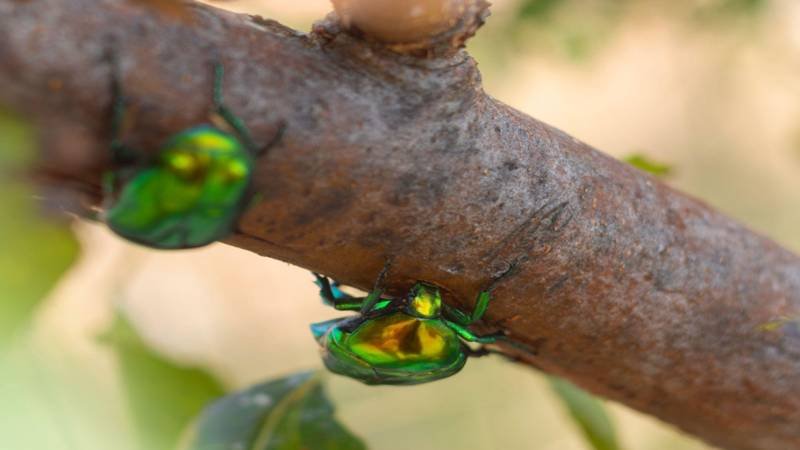
Many homeowners notice more insects around affected trees. Ants, beetles, caterpillars, and other pests may gather around damaged bark, weak branches, or decaying wood.
Some insects attack healthy trees, while others move in after stress or disease has already started. Large insect populations near one tree can sometimes spread to nearby plants and shrubs.
Watch for clusters of insects around leaves, trunk openings, or roots. Sticky residue on leaves or outdoor furniture may also point to sap feeding pests such as aphids or scale insects.
Bird activity can increase around infested trees as well. Woodpeckers often search for insects hidden inside bark or weakened wood.
Early Action Helps Protect the Landscape
Tree problems rarely stay isolated for long. Insects and disease can move from one tree to another, especially in yards where plants grow close together.
Early care may help prevent wider landscape damage. Healthy trees support shade, soil balance, and the comfort of outdoor spaces. When a tree declines, nearby lawns, gardens, and patios may also lose protection from sun and heat.
Fast action can also reduce safety concerns. Weak branches and declining trees become more vulnerable during storms or strong wind.
Homeowners who inspect trees during seasonal yard work often spot problems earlier. Walk around the yard and look closely at trunks, leaves, roots, and branch structure throughout the year.
Healthy Trees Need Ongoing Care
Trees face stress from weather, compacted soil, drought, poor drainage, and nearby construction. Stress can weaken natural defenses and make trees more vulnerable to pests and disease.
Good watering habits support root health during dry periods. Mulch can help soil retain moisture and reduce temperature swings around roots. Keep mulch a few inches away from the trunk to avoid excess moisture against the bark.
Pruning also supports healthier growth. Removing weak or crowded branches improves airflow and light movement through the canopy. This may reduce conditions that allow certain diseases to spread.
Healthy trees often recover more easily from seasonal stress and minor pest activity.
Know When to Call a Professional
Some tree issues are easy to miss from the ground. Internal decay, root damage, or hidden insect activity may continue long before obvious symptoms appear.
A trained arborist can inspect the tree, identify signs of pests or disease, and recommend the right care plan. Professional evaluations may also help protect nearby trees before the problem spreads.
Large trees often require specialized equipment and treatment methods. Attempting major pruning or chemical applications without training can create additional stress for the tree and increase safety risks.
A healthy tree adds long term value to a property and creates a more comfortable outdoor environment. Paying attention to early warning signs can help homeowners protect their landscape and enjoy stronger, healthier trees for years to come. See more: mygardenandpatio.org.