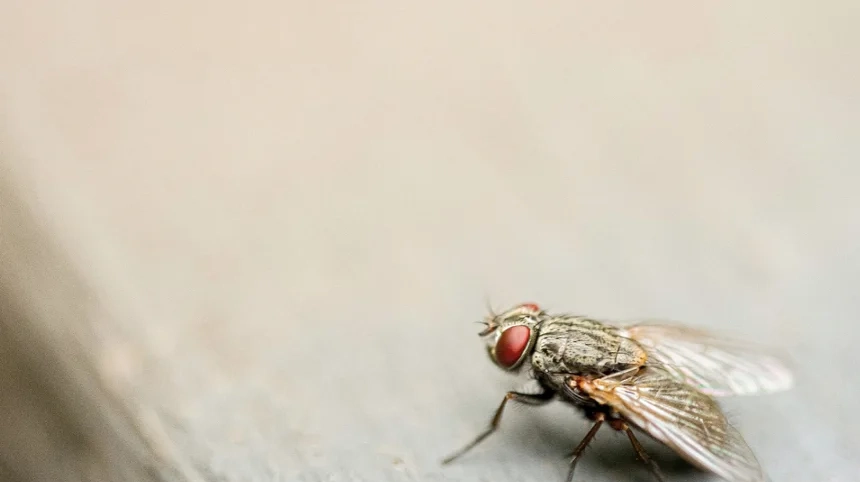
Home security isn’t just about alarms and locks. It begins with keeping unwanted intruders out. No, we’re not talking about burglars; we mean pests. Yes, those tiny creatures skittering in the dark corners of homes can jeopardize safety just as much as any trespasser. Imagine waking up to a mouse gnawing at a wire or a beetle munching on your structure. Tackling pest control should be your first step in securing your home. Here’s how safeguarding your space begins with nature’s nuisances.
Why Pests Spell Trouble?
Pests do more than just creep and crawl. They cause real damage. Creatures like termites can leave your home’s support beams in ruins. Rodents can chew through electrical wires, creating fire hazards. Imagine that at 3 a.m.! Termites and mice may seem insignificant, but never underestimate their impact.
Even seemingly harmless pests like ants can create significant disruptions. An ant infestation can hinder your summer barbecue or wedding event, and they can also sneak into electrical outlets and damage wiring. Furthermore, carpenter ants can carve out tunnels in your wooden structures, much like termites, leading to costly repairs.
Beyond the structural threats they pose, pests can become a huge financial burden. Homeowners often find themselves facing steep repair bills due to unnoticed infestations. A delay in addressing rodent or termite invasions can escalate costs rapidly, making timely interventions vital. Routine inspections can identify arising problems before they spiral into costly damage.
For those residing in regions where specific pest issues are prevalent, such as areas troubled by scorpions or termites, securing professional advice can be invaluable. Phoenix pest control services from KY-KO Pest Prevention provide tailored solutions that consider local pest challenges. Leveraging such resources can reinforce your home’s defenses against persistent invaders.
First Line of Defense: Prevention
Want to keep the insects at bay? Start by cutting off their access points. Proper sealing of entryways is essential. Caulk those cracks and weatherstrip those doors. Ensure screens are free from holes. Remember, a rodent can squeeze through a hole as small as a quarter. That’s pretty small! If you eliminate entry points, you shut down the welcome mat for creepy crawlies.
Your garden can be another access point for pests. Overgrown shrubs and trees can serve as bridges to your home. Regularly trim branches that touch your house and don’t let leaves pile up against walls. By maintaining your landscaping, you’re not only keeping pests at bay but enhancing your property’s curb appeal as well.
Health Risks Are Real
Insects and rodents aren’t just gross; they’re dangerous. Many pests carry diseases that can harm your family. Cockroaches can trigger asthma. Rodents spread salmonella. Ever wondered why coughs linger? Check your basement. An unchecked pest infestation can make you sick—a health hazard lurking in plain sight.
In addition to well-known diseases, pests can bring about serious allergic reactions. Dust mites, often unknown occupiers of beddings and upholstery, can trigger allergies. Be wary of wasp and bee stings, which can induce severe reactions in those sensitive to them. By managing pest populations, you help safeguard your family’s health.
Another often overlooked health hazard is the droppings left behind by pests. These remnants can release contaminants into the air, aggravating respiratory problems. Keeping your home clean and free from these invaders ensures a safe breathing environment for you and your loved ones. Your health is intrinsically linked to how you manage your living environment.
Cleanliness is key
Mess invites pests. If your kitchen is a nightly buffet of crumbs and spills, guess who will come for dinner? Less clutter means fewer places to hide. Keep food stored properly, and clean surfaces regularly. Don’t let them find a home within your home.
Environment Matters
Water is a magnet for insects. A minor leak can turn into a major pest problem. Check for leaks, fix the drips, and ensure drainage systems work. Pests thrive in moist conditions—nip the issue in the bud.
Water can accumulate unnoticed in areas like basements or crawl spaces, attracting pests without your knowledge. Regular inspections can identify unwanted water sources before they foster infestations. Utilizing dehumidifiers can aid in controlling moisture levels, creating an inhospitable environment for pests.
The DIY Solutions
Pesticides? Consider alternatives first. Use natural deterrents like peppermint oil or diatomaceous earth. Lemon and vinegar are great for repelling ants. But make no mistake, in serious cases, professional pest control should not be overlooked.
Educational resources are abundant for those willing to contribute time to their pest control endeavors. Online tutorials, guides, and community workshops offer valuable insights into tackling specific pest problems. Equipping yourself with knowledge can be empowering and cost-saving, making DIY not just feasible but enjoyable as a hands-on project.
Exploring community forums can also provide information on what works best for tackling local pest issues. Many homeowners find that sharing their experiences and solutions offers practical insights into effectively managing pests. By tapping into shared knowledge, you may discover new techniques that fit seamlessly into your pest control strategy.
Hire or Handle?
Do-it-yourself methods go a long way, but sometimes persistence requires a pro. Understanding when to call in the experts is crucial. A DIY solution works for prevention and minor infestations; serious situations require skilled intervention.
Every home deserves to feel like a haven. By taking steps to tackle pest issues immediately, you’re not just protecting your property. You’re guarding your peace of mind. After all, the best home security starts with a pest-free environment.