
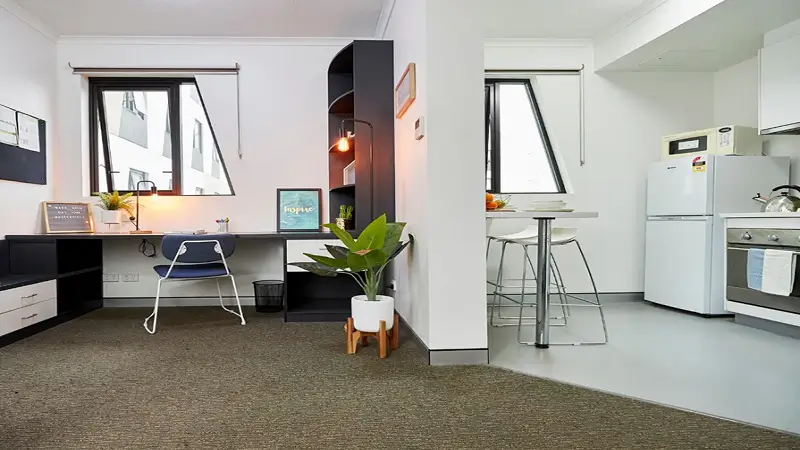
The first thing nobody warns you about Sydney is that it looks relaxed from a distance, with the glittery harbour and beach mornings and people somehow jogging before 7 am, but once you actually live there, especially as a student, it can feel like someone tipped a box of puzzle pieces onto the floor and said, “Right, sort that out.” Finding somewhere decent to live is one of the biggest pieces, which is why many students start by looking at Scape properties in Sydney when they want a base that’s close to campus, transport and the general noise of student life.
Sydney is beautiful. Annoyingly beautiful, actually.
You can be stressed about an assignment, running late for class, holding a coffee that cost more than you expected, and then you turn the corner and the light hits the sandstone buildings or the harbour in this ridiculous cinematic way. Very dramatic. Very unfair. It makes it hard to stay properly grumpy.
But living there as a student is not the same as visiting for a weekend. A holiday version of Sydney is ferries, fish and chips, Bondi photos and maybe one overpriced cocktail you pretended was worth it. Student Sydney is different. It’s early lectures, laundry at odd hours, group projects with people who vanish into the fog and learning which train line will betray you at the worst possible time.
I remember visiting a mate who studied in Sydney years ago, and his room was tiny. Like, “turn around carefully or you’ll elbow the kettle” tiny. But he loved it because it was close to everything. He could walk to class, grab cheap noodles nearby and meet friends without turning the evening into a full military operation. At the time I thought, “Surely space matters more?” Now I’m not so sure. Location does a lot of heavy lifting.
Especially in Sydney.
Because the city is spread out in a funny, sprawling, slightly chaotic way. On a map, things can look close. Then you check the travel time, and suddenly it’s 47 minutes, two trains, a bus and a small emotional decline. That’s not always a disaster, but when you’re juggling lectures, part-time work, study sessions and some sort of social life, convenience becomes less of a luxury and more of a survival tool.
A good student abode gives you more than a bed. That sounds like marketing fluff, I know, but it’s true. It gives you rhythm. You wake up, you know where you’re going, you know how long it takes, you know where to buy milk and which café won’t judge you for ordering the same thing four days in a row. Little certainties. They matter.
And then there’s the people bit.
Living around other students can be strange at first. Everyone is pretending to be more sorted than they are. Someone has colour-coded folders. Someone else has not eaten a vegetable in three weeks. There is always one person who says they “don’t really study” and somehow gets distinctions, which frankly should be illegal. But slowly, the awkwardness softens.
You start recognising faces in the lift. Someone asks if you’ve got a spare charger. Someone burns toast and the whole floor knows about it. A casual chat in the common area becomes dinner plans. Then exam panic. Then a birthday. Then, somehow, these people are part of your life.
That’s the underrated side of student accommodation. It makes it easier to bump into friendships. Not force it. Just bump into it.
For international students, this matters even more. Sydney can be welcoming, but it’s still a big city, and arriving from overseas comes with its own mental luggage. There’s the accent, the paperwork, the rental stress, the banking and the “Where do I buy normal things?” stage. Even supermarkets can feel weird at the start. Why are there so many types of bread? Why is everyone so intense about coffee? Why does “no worries” mean everything from “yes” to “please stop apologising”? It’s funny, then it’s tiring, then it becomes normal.
Having a secure, student-focused place to come back to can take the edge off that adjustment. You’re not trying to decode everything alone. You’ve got staff around, other students nearby and spaces designed for studying, resting and occasionally doing absolutely nothing. Which, honestly, students need more of. Proper nothing. Not scrolling while feeling guilty. Actual nothing.
Sydney’s universities and colleges attract people from all over, and that mix gives the city a bit of fizz. You hear different languages on the street. You meet people with wildly different food opinions. You learn that “dinner” can mean 6 pm, 9 pm or, apparently, midnight, depending on who you ask. It’s all part of the education, really, even if it doesn’t appear on the course outline.
Of course, student life isn’t always charming.
Sometimes it’s expensive and messy and a bit lonely. Sometimes your room feels too quiet. Sometimes you miss home over something tiny, like a smell from a kitchen or a song in a shop. You can be surrounded by thousands of people and still feel like you’re floating slightly outside the glass. That happens. More often than people admit.
But the right living setup can help you re-enter the world. You go downstairs. You sit in a shared space. You see someone else looking equally wrecked by deadlines, and you both laugh because what else can you do? It’s not a cure-all. Nothing is. But it helps.
There’s also something motivating about living in a city that keeps moving. Sydney doesn’t really let you stay too sleepy for long. There’s always a ferry pulling away, someone swimming before work, a market opening or a busker playing badly but with confidence. The city nudges you. Come on. Get going.
And as a student, that energy can be useful. You might study better because the library is close. You might say yes to more things because getting there isn’t a nightmare. You might become more independent simply because the city keeps asking you to make small decisions. What train? What meal? Which friend? Which beach? Which version of yourself are you trying on this semester?
Bit dramatic, maybe. But true enough.
Choosing a student accommodation in Sydney is partly practical, obviously. You want safety, transport, good facilities and a room that doesn’t make you feel like you’re living inside a filing cabinet. But it’s also emotional. You’re choosing the backdrop for a pretty formative chunk of your life.
You’ll probably remember it in fragments later. The view from your window. The first person you spoke to. The night before an exam. The takeaway place that knew your order. The silly little routines that made the city feel less massive.
At some point, Sydney stops being this intimidating postcard city and becomes your place. Not forever, necessarily. Maybe just for a degree, a season, a few wild years. See more