
Outdoor spaces have become an extension of the home. Families gather on decks for weekend barbecues, quiet mornings, and evening conversations, and homeowners now expect these areas to look beautiful while demanding very little upkeep. Traditional timber decks once dominated the market, but they come with sanding, staining, sealing, and replacing.
Wood plastic composite, commonly known as WPC, has emerged as a smarter alternative that blends the warmth of natural wood with the resilience of modern engineering. This article explores what WPC decking is, why it suits environmentally conscious homeowners, how it fits into current home decor trends, and what to look for before you buy.
What is WPC decking and why does the manufacturer matter?
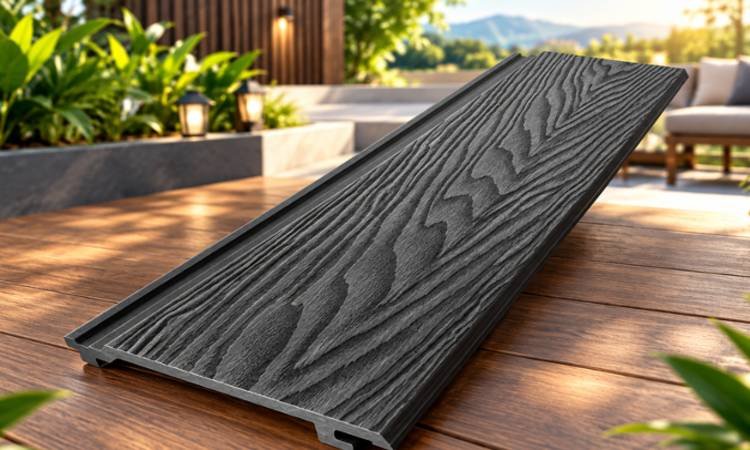
WPC decking is made from a blend of wood fibers, recycled plastics, and bonding agents, which are shaped into boards through an extrusion process. The result is a board that looks like real timber but resists many of the problems that cause natural wood to deteriorate. Quality, however, varies widely across the market, and this is exactly why working with a trusted WPC composite decking manufacturer is so important.
A reliable manufacturer controls raw material selection, maintains consistent production standards, tests products for moisture absorption, slip resistance, and UV stability, and offers warranties that reflect real confidence in the product. Poorly made boards may fade unevenly, swell, or crack within a few seasons, while well made boards keep their color and structure for many years.
Homeowners, contractors, and distributors who care about long term value should therefore look closely at production capability, material composition, and after sales support before placing an order.
Environmental Benefits of Composite Decking
For many people, sustainability is a deciding factor in home improvement projects. Composite decking supports greener living in several ways.
- First, many boards use reclaimed wood fibers and recycled plastic, which keeps waste out of landfills and reduces demand for virgin materials.
- Second, because composite boards do not require chemical stains, sealants, or preservatives, fewer harmful substances leach into the soil and water around your home.
- Third, the long lifespan of composite decking means fewer replacements over time, which lowers the overall consumption of resources. Traditional hardwood decking often relies on tropical timber, and unsustainable harvesting contributes to deforestation.
Choosing composite reduces pressure on these forests while still delivering the natural appearance that people love. Many products can also be recycled again at the end of their service life, supporting a more circular approach to building materials.
Durability and Low Maintenance for Busy Households
One of the strongest selling points of WPC decking is how little care it needs. Natural wood requires annual treatment to resist rot, insects, and weathering. Composite boards, by contrast, resist termites, mold, and decay, and they do not splinter, which makes them safer for children and bare feet. A simple wash with soap and water is usually enough to keep the surface clean.
Quality boards also include UV inhibitors that slow fading under strong sunlight, an important feature in hot climates. Many modern products feature a protective cap layer, often called co-extrusion, which shields the core from stains, scratches, and moisture. This extra layer makes the deck easier to live with, especially if you have pets, host frequent gatherings, or simply prefer spending weekends relaxing instead of maintaining your deck.
Design Flexibility and Home Decor Appeal
Decking is no longer just a functional surface. It is a design element that shapes how an outdoor room feels. Composite boards are available in a wide range of tones, from soft sandy beiges and warm teak browns to deep charcoal and cool grays. Embossed wood grain textures add realism, while brushed and smooth finishes create a more contemporary look.
Homeowners can mix board colors to form patterns, use contrasting border boards to frame the deck, or match the tone of the decking with fencing, pergolas, and outdoor furniture for a cohesive style. Pairing a composite deck with potted plants, string lights, outdoor rugs, and weather resistant cushions turns an ordinary patio into an inviting retreat.
Composite is also used beyond the deck itself, including wall cladding, privacy screens, pool surrounds, balcony flooring, and garden pathways, which allows you to carry a consistent look throughout the property.
Cost Considerations and Long Term Value
The upfront price of composite decking is typically higher than pressure treated pine, which leads some buyers to hesitate. However, a fair comparison should include the full lifetime cost. Wood decks need regular purchases of stain, sealer, cleaning products, and replacement boards, along with the time or labor required to apply them.
Over ten or fifteen years, these recurring expenses can match or exceed the initial premium paid for composite. A well installed composite deck also adds curb appeal and can increase the perceived value of a property, which matters if you plan to sell in the future. Buying directly from a manufacturer can further improve value, since it reduces middlemen, allows customization, and often provides better pricing for bulk or project orders.
Tips for Selecting and Installing Your Deck
Before choosing a product, consider your climate, budget, and design goals. Request samples so you can see the color and texture in natural light. Ask about the density of the boards, the type of cap layer, the available certifications, and the length of the warranty.
Check whether the supplier offers matching accessories such as hidden fasteners, edge trims, and joists, since these details affect both appearance and structural performance. During installation, leave appropriate expansion gaps because composite boards expand and contract slightly with temperature changes.
Ensure proper ventilation beneath the deck to prevent moisture buildup, and follow the manufacturer’s spacing guidelines for the substructure. If you are not confident in your DIY skills, hiring an experienced installer can protect your investment and keep your warranty valid.
Conclusion
Composite decking has reshaped how homeowners think about outdoor spaces. It offers lasting beauty, minimal maintenance, and a lighter environmental footprint, all while giving you the freedom to design a deck that reflects your personal style. The key to enjoying these benefits is choosing quality materials from a dependable WPC composite decking manufacturer that stands behind its products with solid engineering, transparent specifications, and responsive service.
Take time to compare options, ask detailed questions, and think about the long term value rather than only the initial price. To explore product ranges and learn more about professional composite solutions, visit the official site and start planning the outdoor space you have always wanted. See more.