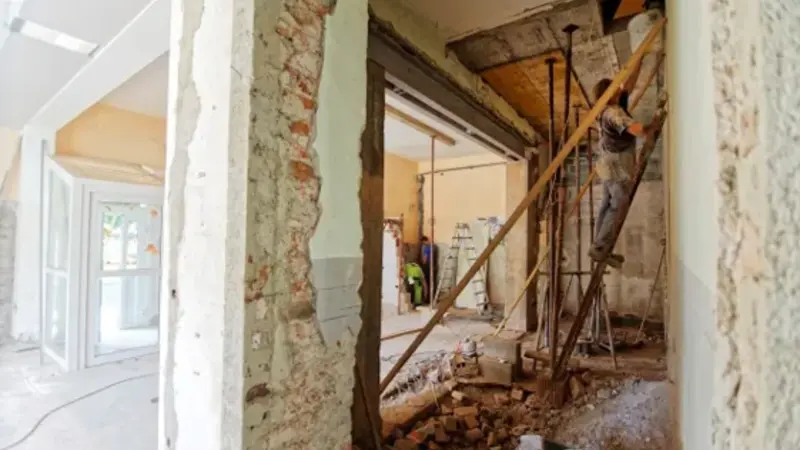
Remodeling your home is the best way to transform the space and add new features for style and functionality. However, it’s not always about modernizing your apartment. In some cases, there may be structural damages that require lasting solutions.
While some projects require only a few changes, others involve extensive labor and professional help. Whichever the case, financial planning is necessary to avoid overspending. Read on to discover seven things to budget for when taking on a remodeling project.
Initial Home Assessment and Planning Costs
The first step is to hire a home inspector, structural engineer, or general contractor to evaluate your home’s condition. These professionals will analyze current systems and other components to identify underlying factors that may affect the project. You may also need to book consultation sessions with a builder who can help you develop a clear plan.
Design and Structural Changes
Builders need a blueprint to follow when performing an intensive renovation. Hence, you’ll need to contract an architect to design floor plans and detailed construction drawings. The design illustrations map out structural changes, such as a new outdoor plan and room layouts. With these, other contractors can perform their duties effectively, ensuring the design’s functionality.
Permit and Approval Fees
In most cities, you’ll have to pay permit fees for kitchen remodeling, electrical installations, and plumbing alterations. Depending on your location, you may also need approval from the local building department before remodeling your home. The cost of permits and approval fees depends on the type and scope of the project.
Materials and Replacement Costs
When remodeling your home, contractors will bill you for the purchase of materials. Though it’s difficult to estimate the cost in advance, you can conduct a market survey to compare brand prices. Without proper budgeting, you may need to explore other funding sources.
If you’re buying in bulk, consider shopping directly with the manufacturer, as they sell at wholesale prices. This way, you’ll also be sure of the quality and authenticity of the items you buy. Though it’s more expensive to invest in durable materials, remember that you’ll spend less on maintenance in the long run.
Contractor and Labor Costs
Without skilled labor, all your efforts will go to waste. As such, it’s important to hire trustworthy and reliable contractors to coordinate the project, hire subcontractors, manage timelines, and monitor execution. Good contractors deliver value for money, but besides their fee, you must also set aside funds to pay physical construction workers.
Utility Upgrades and System Adjustments
If you live in an old home, you’ll need to upgrade most of the utility systems and appliances. Such changes are also necessary during expansion, as old systems may not support new appliances or configurations. Therefore, you must budget for new Heating, Ventilation, and Air Conditioning (HVAC) systems, smart home devices, and other upgrades.
Temporary Living and Storage Expenses
During extensive renovations, you’ll have to move out and transfer your belongings to protect them from damage. If you book a hotel or stay with family or friends during this period, you’ll need a place to keep your belongings. Hence, it becomes necessary to rent a storage container, which adds an extra expense to your budget plans.
Endnote
Home remodeling is quite cost-intensive, making it essential to plan before time. When budgeting, estimate costs for home assessment, planning, design, and permits. Also set aside funds for raw materials, labor, upgrades, and temporary housing.