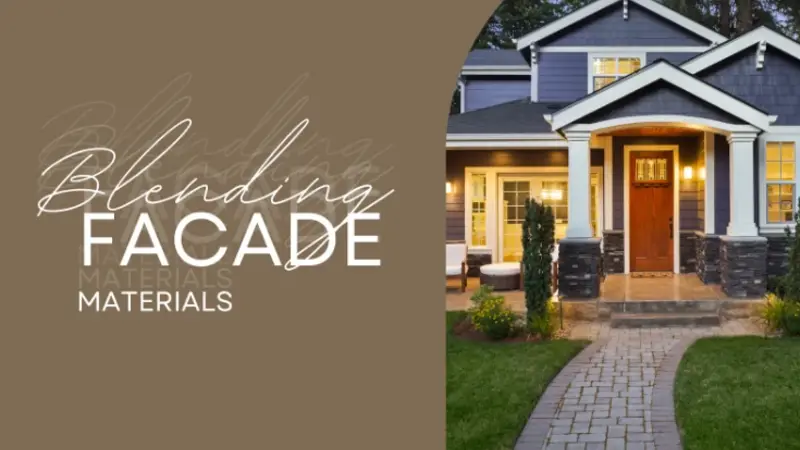
The home is a social facade that is the exterior. It is the first thing that people see, which is the background to your garden and this is the full service that silently prepares them as to what they are going to see inside.
During most years, residential design was towards simplicity; the same material, laid equally into the foundation and roofline. This style was common but at the same time, very superficial at times.
This is not the case with homes today. Traditionally, modern architectural styles are welcoming to texture, contrast and intelligent use of materials. When combining stone, wood, cement, metal and render, it is now done with purpose and intent to form the facades that touch the richness, grounds as well as being connected with their environment.
Artfully designed exterior design brings about visual stops and is used to frame views of gardens, and in making individual interior and exterior external spaces within the same experience.
A blended facade is not just attractive when it is well done. It is comfortable, wears well, and conquers the quality without imposing. It is not the amount of the materials that can achieve that balance, but their wise use.
More and more designers are achieving this using surface systems in modules that are interposed between cladding and ornamentation. Rather than depending on flat stucco or massive masonry, they are introducing volume surfaces that provide a sense of rhythm shadow and marking diversity within large wall surfaces.
In this scheme, architectural facades in tiles of the facades have been such versatile tools. When applied sparingly, they alternate structure and surface; they provide a sense of touch and dislodge scale as well as diversify the appearance of the house without overtaking the other predominant materials.
No careless comment on Facade Tiles and Material Quality
Facade tiles are becoming an architectural rather than a decorative addition to the finish, as homeowners and designers seek to add texture without overloading the outside with detail.
Chosen wisely, they open the expansive surfaces of walls to breath shadow, rhythm and texture in a planned and direct manner.
It is against this background that Ortegal architectural facade tiles shine through. The collections are presented in proportion and built to last instead of following trends on the surface. It focuses on graceful relief, natural tonal difference, and finished surfaces that have an aging process which is not aggressive outside; all of which are equally important as appearance.
Practically, properly crafted tiles on the facades also promote the facts of exterior life. Neutral structures, climate conscious paint and accurate production lead to the stability of the installation and the durability of the performance with the variable climates.
Selectively, and usually secondary or an accent material. They add richness and sophistication without bringing down the sharpness of the whole composition of the facade.
These tiles are good visual transitions, especially where the elevation faces the garden. The transition between solid wall and open landscape is softer, the natural light of the day is reflected and the layers of texture in the stone paths, timber decks and planted borders are reflected.
By doing so, facade tiles are not a mere project coating. They serve as silent design tools, the one that helps to safeguard mindful architecture, value materiality, and promote closeness between the home and the outside landscape.
Essentials of mixing materials (without overdoing it)
The mixing of materials is not about a showcase of everything at the same time. The most highly successful facades are not frantic, but calm and composed. Such a feeling of ease is achieved through contrast, repetition, and restraint.
1. Start with hierarchy: the 60:30:10 rule
One of the most useful rules of giving facade composition is the 60:30:10 rule:
- 60% – The anchor material
This is your primary enveloping: brickwork, stucco, massive, and concrete. It creates character of the house and gives it visual stability. - 30% – The contrasting material
This layer gives it a sense of interest and dimension. Consider warm wood to complement smooth render or cobbled surface of stones with a clean cement. It is typically applied to emphasize certain volumes, such as the upper floors, entranceways, or forms of garages. - 10% – The accent material
It is the information that takes an overdesign: metal trims, window framing, flashing or even small details in the shape of tiles. They are not overused and bring some elegance without a distraction.
That is with the help of this hierarchy the facade remains cohesive and creative at the same time.
2. Equilibrium Between Temperature and Texture
All the materials have a visual temperature and any touch and a high facade is working in contrast to the great use.
- Warm materials: Wood, natural brick, clay tiles, copper, and warm-coloured limestone can be used as warm materials. They are comforters and softeners.
- Cool materials: Concrete, plank smooth stucco, metal sheets, glass, and the slate; are crisp and contemporary.
It is in the fusion of the two that the magic will take place. Rough cedar and polished white stucco, or rough stone and smooth cement, and so on, will make the facade not a flat picture but a three-dimensional one.
Timeless material pairings that always work
Certain combinations become lasting since they find the right balance on contrast and cohesion.
- Wood + concrete or stucco
It is a popular choice in the modern house. The question of what defines the calm and neutral background is concrete or stucco, which is interrupted with the warmth of wood, particularly where entrances, balconies, or walls facing the garden.
Garden friendly hint: Select woods that are naturally resistant to decay such as cedar, teak and allow them to age to acquire an appearance of old age with low maintenance.
- Stone or brick + metal
This combination is a mixture of tradition and accuracy. The home rests on a stone or brick base, and links it into the site, and the metal accents (zinc, aluminum or corten steel) are sharp, modern lines.
Corten steel especially does exceptionally well as a minute detail. Its natural texture of warm weathering finish goes well with neutral stone and is particularly dramatic in exterior details.
- Glass + dark render
This is a combination that it is difficult to beat should your intention be to blur the line between house and garden. Dark render recedes visually, which assists in making the vast forms appear lighter, whereas the vast openings of glass connect the outside world to the room and make a gorgeous frame of the garden.
Where Facades Are Successful or Not: The Crossing Points
The transitions should be done with care even in case of the best material options available. The edges of the materials contact as much as materials do.
- Clean joints and subtle separation
Instead of imposing the conformity of the materials, designers frequently add recessive joints or shadow lines. These little imperfections produce clean lines, conceal little flaws, and make every media consciously put.
The other efficient method is a small alteration of the plane; shifting one material forward or back. This gives a background and the concept of the overlay.
- Don’t compromise on waterproofing
Ho behind all the pretty fronts is such meticulous detailing. Weep systems, drainage systems and flashing should be blended in order to control water without interfering with the design. These functional elements are not visible when they are well done but they are key factors to long-term performance.
Let the facade flow into the garden
In case of garden centered houses the exterior materials should not end at the walls. Even the most unified designs would be reflective of the materials of the facades in the outdoor spaces.
- Patios and paths: Use the same tones or textures that are used in the facade in paving, decking or retaining walls.
- Planters and features: Use accent materials such as metal or tile, which match the facade in garden planters, fire features or screens.
Such repetition providesThe visual rhythm of the house and landscape.
Faith regarding Natural Light and Context
An excellent facade is a reaction to its environment. In areas where heavy bricks prevail, it is still respectful and also refreshing to use the same heavy material with elements of modernity.
It is also interesting to notice the flow of sunlight on the exterior.
Rough finishes cause a shadow and drama and smoother finishes reflect light and illuminating shadows. An intelligent combination makes the house aesthetically amusing all day long.
Final thoughts
The strategy on designing a multi-material facade is effort and part instinct. When the materials are not only carefully selected but also overlaid, they do not merely adorn a house, they lead it into its garden, into its environment, and into the lives of its inhabitants.