
Few backyard visitors are as beloved as the bluebird. Their soft blue feathers and gentle songs make them a highlight for any birdwatcher. Because bluebirds feed mainly on insects, many people wonder how they can support these birds without disrupting their natural habits.
One option that many bird enthusiasts consider is offering dried mealworms as a small, occasional treat. This article explains what mealworms provide, how to serve them responsibly, and how to keep the treat in proper perspective.
What Dried Mealworms Offer Bluebirds?
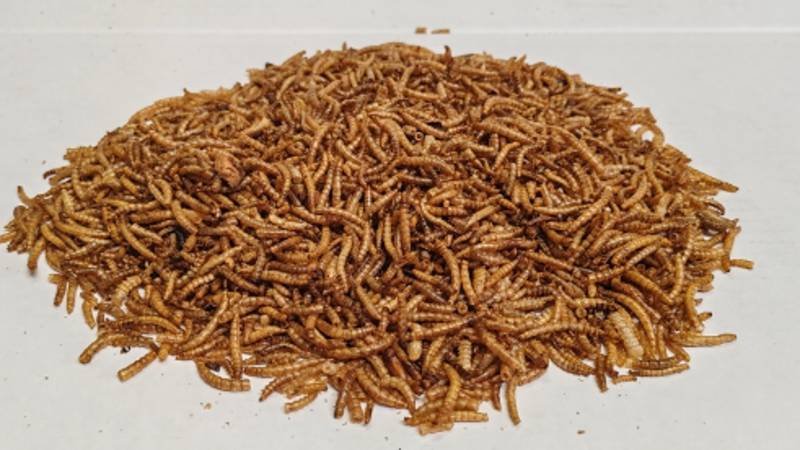
Mealworms are the larvae of the darkling beetle, and they are a common supplement in backyard bird feeding. For readers who want to learn more about Dried Mealworms for Blue Birds, the key point is that they should be seen as a supplement rather than a main food source. They offer protein and fat, nutrients that insect eating birds naturally seek out. Drying the larvae makes them easy to store and convenient to handle, since they do not need refrigeration like live mealworms.
Bluebirds do not usually visit seed feeders because seeds are not a natural part of their diet. A small dish of mealworms, however, can catch their attention, especially in seasons when insects are harder to find. Treating the food as an occasional bonus helps keep the birds focused on foraging in the wild, which is where they get most of what they need.
Why Insects Matter in a Bluebird Diet
Bluebirds hunt from perches, watching the ground for beetles, grasshoppers, caterpillars, and crickets. In warmer months, insects make up the majority of their meals. During colder months, they add berries and fruit to their diet, but insects remain an important source of energy.
Winter can be especially challenging. Insects become scarce, and cold weather increases the energy birds need to stay warm. A modest offering of dried mealworms during harsh weather can give them a helpful boost. It is also useful during nesting season, when adult birds are working hard to feed hungry chicks. Even then, the treat should complement natural foraging instead of replacing it.
How to Offer Mealworms Safely
Presentation matters. Bluebirds tend to be cautious, so a simple and safe setup works best. A shallow tray or a small dish with low sides allows them to see and reach the food easily. Place it in an open area, ideally near a nest box or a favorite perch, so the birds feel secure while approaching it.
Dried mealworms can be offered plain, but some people soak them in warm water for a short time to soften them. This can be helpful in dry weather or when feeding young birds, since it adds a bit of moisture. If you soak them, only put out what the birds can finish in a day, because wet food spoils faster.
Cleanliness is just as important. Wash feeding dishes regularly with warm water and mild soap, rinse them thoroughly, and let them dry before refilling. Remove any leftover food, especially after rain, to reduce the risk of mold and bacteria. A clean feeding station protects bird health and discourages unwanted pests.
How Often to Feed
Moderation is the guiding principle. Because mealworms are rich in fat and protein, they should be given in small amounts, a small handful at a time, rather than in large piles. Offering them a few times a week is generally plenty, and many people prefer to save them for periods when natural food is limited.
There are good reasons for restraint. Birds that become too dependent on supplemental food may spend less time foraging, which can affect their natural behavior. Nesting adults should also be encouraged to feed their chicks a variety of natural insects, which provide a balanced range of nutrients. Mealworms alone do not offer the full nutritional variety that wild insects do, so keeping the portion small helps protect the bird’s overall diet.
Choosing Quality Products and Where to Buy
Not all dried mealworms are the same. Look for products that are clean, fresh smelling, and free from additives, flavorings, or preservatives. The mealworms should look intact and dry, without any sign of moisture, clumping, or mold. Storing them in an airtight container in a cool, dry place helps maintain their quality for longer.
Readers who are looking for a dependable source can find dried mealworms at Birdie Boutique, a retailer that offers bird feeding supplies for backyard enthusiasts. Comparing packaging details, ingredient information, and package sizes can help you pick an amount that suits your feeding routine, since a small bag is often enough for occasional use.
Tips for Attracting and Supporting Bluebirds
A treat dish works best as part of a bird friendly yard. Bluebirds are cavity nesters, so providing a properly sized nest box mounted on a pole in an open area can encourage them to stay. Keeping the box clean between nesting seasons and protecting it from predators with a baffle adds to its value.
Native plants are another valuable addition. Shrubs and trees that produce berries, such as dogwood, serviceberry, and holly, offer natural food during colder months. Reducing pesticide use is equally important, since it protects the insects that bluebirds depend on. A source of fresh water, especially a shallow bath, can also draw them in during both summer and winter.
Patience helps too. Bluebirds may take days or even weeks to notice a new feeding spot. Keep the area quiet, avoid sudden movements nearby, and let the birds become comfortable at their own pace.
Conclusion
Offering a small amount of food can be a rewarding way to connect with nature and support the birds that visit your yard. When used sparingly, Dried Mealworms for Blue Birds can serve as a helpful treat during times when insects are scarce, such as cold weather or the busy nesting season. The best approach is to keep portions small, maintain clean feeding dishes, and focus on creating a habitat with nest boxes, native plants, and water. With thoughtful care, you can enjoy watching bluebirds while still letting them rely mainly on the natural foods that keep them healthy. See more.