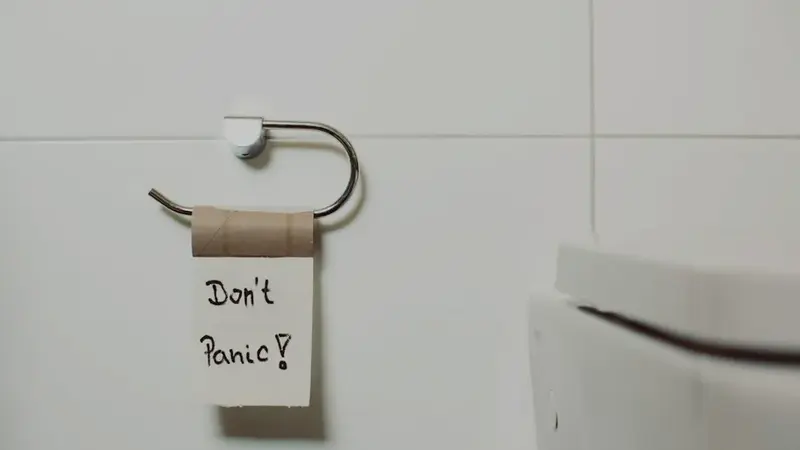
There’s a special kind of frustration that comes with a toilet that keeps playing up. It gets cleared, everyone relaxes, then a few days later it’s back at it again. Same issue, different morning.
It’s the sort of thing people joke about over a cuppa, but deep down it nags. The truth is, when toilet troubles continue to return, it’s rarely about the toilet itself. More often than not, it’s a quiet signal from deeper in the drainage system, where problems can brew unseen for months. Let’s get this discussion going before you go looking for a blocked toilet plumber.
The Big Misconception: “It’s Just a Toilet Thing”
Many homeowners treat the toilet as a standalone fixture, like it operates on its own little island. Fair enough, it’s the part you see and use every day. But in reality, the toilet is simply the final exit point of a much bigger network of pipes.
Everything flushed has already travelled through metres of drainage before it even reaches the bowl again. Fixing the toilet without checking what’s happening further down the line is a bit like repainting a wall without noticing the rising damp behind it. Looks fine for a while, then it doesn’t.
What Repeated Toilet Issues Usually Look Like in Real Homes
In day-to-day households, these issues tend to follow familiar patterns. They don’t always arrive with drama either. Occasionally they sneak in quietly.
- Toilets that block again days after being cleared
- Gurgling noises when a nearby tap or shower is turned on
- Water levels that rise, drop, then behave again for no clear reason
- Unpleasant smells that drift in and out, especially after heavy use
These signs usually travel together. When more than one shows up, it’s rarely a coincidence. Plumbing systems are predictable that way, and that’s actually good.
What’s Really Going On Beneath the Floor
Below the tiles and concrete, drainage pipes age, narrow, and collect residue. Waste doesn’t move as cleanly as people imagine. Over time, soap residue, paper fibres, grease from kitchens, and mineral deposits cling to pipe walls.
The pipe doesn’t block overnight. It slowly tightens, like arteries under pressure. Add external factors such as soil movement or tree roots nudging their way in, and flow becomes patchy. Toilets feel this first because they rely on a strong, clear path to carry solids away. When that path starts choking, the toilet becomes the messenger.
Why Quick Fixes Don’t Last (And Sometimes Make Things Worse)
Plungers and supermarket liquids have their place. They can clear a local snag near the bowl. The trouble starts when the blockage sits further along the line. Forceful flushing and harsh chemicals often push debris deeper instead of removing it. That gives the illusion of success, then the problem returns with better timing for inconvenience.
Subtle Warning Signs People Often Brush Off
Some drainage issues whisper before they shout. These early hints get ignored because daily life is busy and the toilet still works, mostly.
- Slow drains elsewhere in the house, even when toilets seem fine
- Toilets reacting when washing machines or showers are running
- Repeated blockages despite clears that seemed successful
Left alone, these signs usually stack up. Drainage systems don’t heal themselves. They escalate, slowly but surely, until the disruption is impossible to miss.
When a Toilet Problem Stops Being a DIY Job
There comes a point where calling in experienced help is less about fixing today’s issue and more about protecting the home. Repeated toilet trouble is often that point.
Professional inspections look beyond the bowl and into the full drainage layout. Tools like leak detection and camera inspections find weak spots early, before moisture spreads or pipes deteriorate further. It’s preventative, not reactive, and it saves a lot of back-and-forth stress later on.
The Long-Term Upside of Addressing the Drainage Issue Properly
Once the real issue is sorted, homes settle back into rhythm. Toilets flush cleanly, drains behave, and those odd smells disappear. More importantly, the household gains confidence that the plumbing underneath is sound.
Proper drainage care also protects flooring, foundations, and surrounding soil. That’s why leak detection is crucial. Consider it peace of mind that lasts, not a temporary win.
When a toilet keeps causing trouble, it’s usually doing its job as an early warning. Listening sooner rather than later keeps small drainage issues from growing legs. Homes run smoother when the whole system gets attention, not just the fixture calling for help. See more.