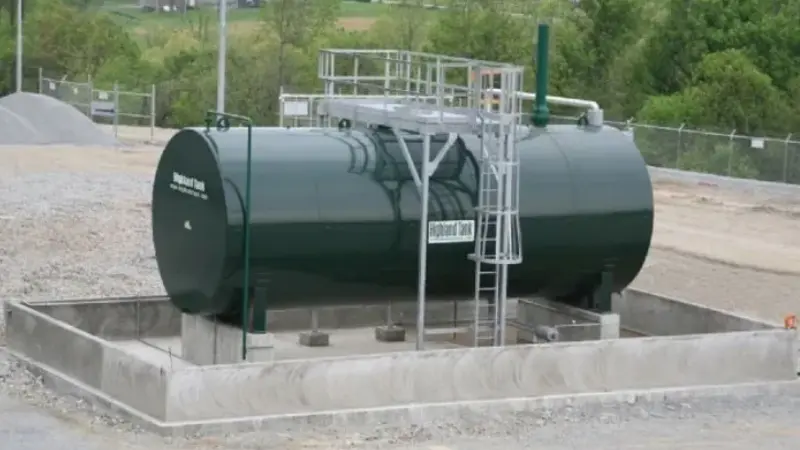
The reason Above-Ground Systems should be monitored on a regular basis. Business activities are dependent on the reliable, secure supply of fuel. Above ground fuel tanks are central to the day-to-day operation, whether it involves supporting vehicle fleets, industrial machinery, construction equipment or backup power systems.
They are more visible and hence can be inspected easily compared to underground configurations, although they experience a lot of strain due to weather conditions, temperature changes and continuous use. Facilities need to pursue some structured maintenance practices that are based on monitoring, prevention and proactive repairs to ensure the safety, compliance, and reliability of these systems.
Regular checkups prevent equipment failure.
Safe storage is based on frequent inspections. Technicians check tank exteriors on corrosion, dents, fittings, or damages on coating. Their responsibility is to inspect gauges, vents, and valves and make sure that the whole system is working properly.
Internal checks ensure that there is no water, sediment or microbial contamination in the tank- a problem that will damage equipment and engines unless checked. A regular inspection of above ground fuel tanks enables the teams to detect minor issues before they become leakages or a disruption in operations.
Defending Tanks against Exposure to the Environment.
Contrary to buried systems, above ground fuel tanks are always exposed to the sun, rain, wind and changing temperatures. The UV rays destroy the coatings, moisture rusts, and extreme heat or cold influences the pressure level. The facilities resist these forces using protective finishes, weatherproofing materials and frequent repainting.
There are other locations that provide shielding, containment facilities or covers to reduce direct exposure. Such protective applications ensure the structural integrity of the tank and prolong the working life of the tank.
Fuel Quality Management by Maintenance.
The quality of fuels has a direct influence on the performance of generators, cars, and machinery. Intrusion of water, the development of microbes and deposition of silt endanger equipment and safety.
The facilities utilize filtration mechanisms, water detection equipment, and frequent tank cleaning to avoid contamination. Regular fuel polishing cleans up and eliminates the impurities that develop with time.
Quality assurance of fuel only qualifies when above ground tanks of fuel are checked on a regular basis and their cleaning schedules are followed.
Guaranteeing the Safety of Transfers and Onsite Handling.
Transport of fuel- between delivery trucks and medicinal points or equipment- creates a number of hazards. The overflow, spillage and vapor release might pose safety dangers. The mitigation of these risks is achieved through facilities with spill containment systems, emergency shutoff valves and overfill protection devices.
Technicians ensure that the hoses, couplings and pumps are in proper condition to avoid leakages during transfers. Well-defined procedures direct the personnel in the process of dealing with fuel to minimize the probability of accidents when dealing with large volumes.
Secondary Containment and Prevention of Spills.
All business premises need to be ready in case of a spill. Secondary containment areas include basins, berms, or double walls to ensure that the spilled fuel does not spread to the soil, drains, and the neighboring properties.
Close monitoring of these containment structures is made in terms of cracks, debris, or accumulation of water. Frequent maintenance would make the containment system operational and in accordance with environmental regulations. Aboveground fuel tanks place a lot of faith on the sound containment design since it is all visible and can be checked easily.
Safety Improving Monitoring Systems.
The digital monitoring tools have been installed at contemporary fuel locations to monitor the quantity of product, any variation in pressure, temperature, and any leak signs. Alarms are installed and automated to notify the staff when things are amiss and a response is made early before the minor problem turns into a colossal failure.
Such systems minimize the need to have manual oversight and enhance accuracy in operations. The real-time monitoring facilities make significant gains in avoiding the unwanted downtime or environmental destruction.
Planned Maintenance, which increases the life of the tanks.
The maintenance schedule is predictable, which ensures smooth running of tanks. This will comprise the valve lubrication, gasket replacement, treating the corrosion, reinforcement of the structure, and frequently adjusting sensors or monitoring equipment. With wear being proactively dealt with, there are no emergency repairs of facilities, and good operational performance is maintained.
Maintaining operations that are within the regulations.
It is quite understandable that fuel storage is a highly controlled matter. Strict adherence to standards of installation, spill protection, ventilation, and monitoring are required by environment agencies, fire departments and local authorities.
Periodic records, inspection records and system certifications can assist facilities to be in compliance and prevent fines. Remaining within the controllable regulations also makes the aboveground fuel tanks run safely within the business standards.
Reasons why Professional Service Teams are the Difference.
Plants also engage services of professional technologists who are experts on fuel storage facilities, compliance regulations, and safety engineering. Their skills can also be used to detect risks at their initial stages, use the right form of maintenance and make the whole system in line with the industry standards. As the commercial sites are required, it is necessary to hire skilled experts in order to ensure reliability in the long term.
In the current day commercial facilities, the above ground fuel storage is reliable due to the combination of good oversight, environmental protection, management of fuel quality and strict compliance.